
10 Essential Wedding Planning Tips for a Perfect Day
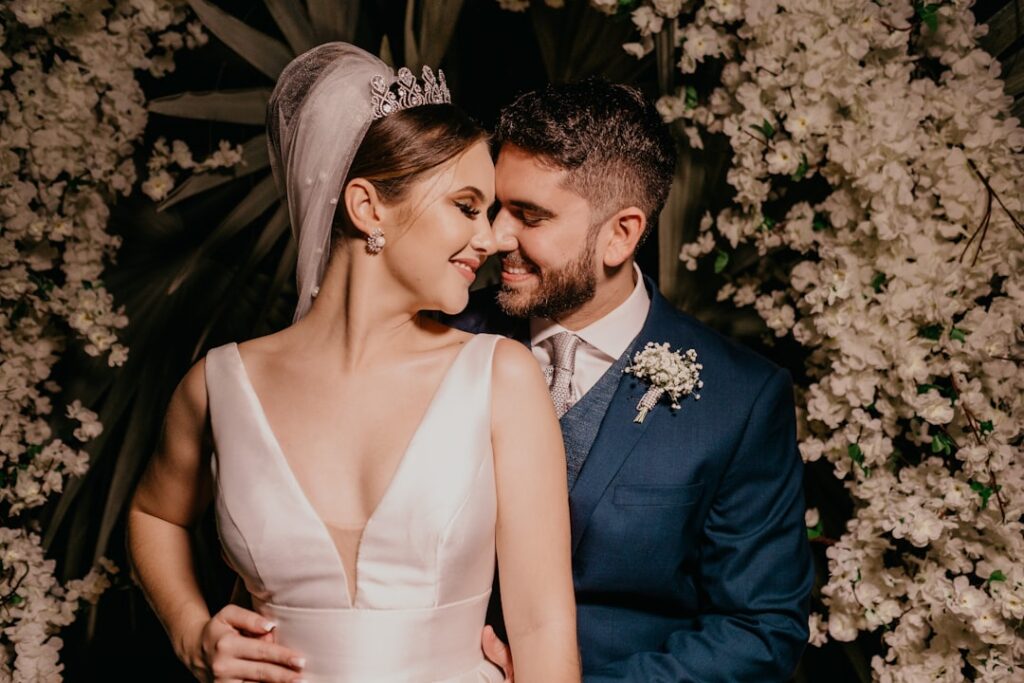
Creating the Ideal Wedding: An All-Inclusive Guide Organizing a wedding can be one of the most thrilling and intimidating endeavors I possess. With so many things to think about, it’s simple to become overwhelmed. But if I divide the process into smaller, more manageable steps, I can work my way through the confusion and design a day that tells my love story. I’ll discuss my thoughts on everything from stress management to budgeting in this post. I started my wedding planning process by establishing a budget.
Key Takeaways
- Setting a budget and prioritizing expenses is crucial for a successful wedding planning process.
- Choosing the right venue and vendors can make a significant impact on the overall experience of the wedding.
- Creating a realistic timeline is essential to ensure that everything gets done in a timely manner.
- Communicating effectively with your partner and family is key to managing expectations and reducing stress.
- Designing a personalized wedding ceremony and reception can make the event truly special and memorable.
I soon came to the conclusion that having a well-defined financial plan would help me avoid needless stress in the future. I got together with my significant other to talk about our financial status and our spending limits. We took into account any savings we had set aside especially for this occasion as well as contributions from family members.
I felt in control of the planning process after creating a budget. Prioritizing our spending was the next step after creating a budget. I enumerated every component that was significant to us, including the location, catering, and photography.
We talked about where we could make budget cuts and what parts of the wedding were set in stone. For example, even though I had a vision of a lavish floral arrangement, we decided that hiring a skilled photographer was more important to preserving our special day. I was able to allocate funds wisely & make sure we stayed within our budget thanks to this prioritization. Envisioning the Ideal Setting.
| Tip Number | Tip Description |
|---|---|
| 1 | Start Early and Set a Budget |
| 2 | Choose the Right Venue |
| 3 | Make a Guest List |
| 4 | Hire a Professional Photographer |
| 5 | Plan the Menu Carefully |
| 6 | Consider Hiring a Wedding Planner |
| 7 | Personalize Your Wedding |
| 8 | Don’t Forget About the Music |
| 9 | Prepare for the Unexpected |
| 10 | Take Time to Enjoy Your Day |
One of the most thrilling aspects of my wedding planning process was choosing the ideal location. In addition to providing space for our visitors, I wanted the venue to capture our individuality as a couple. I compiled a shortlist of venues that fit our vision & budget after looking into a number of possibilities. Visualizing the Dream Wedding.
I was able to envision how each area could be turned into our ideal wedding venue by physically visiting these places. It was just as crucial to pick the appropriate vendors as the location. I was aware that our wedding day’s success would be largely dependent on the experts we employed. Putting the Dream Team together.
I read internet reviews, asked friends and family for recommendations, & set up interviews with possible vendors—from caterers to florists. After much effort, I was able to assemble a group of gifted people who shared my vision and were dedicated to making our day one to remember. I focused on developing a practical timeline for the wedding planning process after securing the venue and vendors. Having a thorough schedule helped me stay organized and make sure nothing got lost, as I soon discovered. To start, I mapped out important milestones like scheduling dress fittings, completing vendor contracts, and sending out invitations.
In addition, I made sure to factor in some buffer time for unforeseen changes or delays. For instance, knowing that vendor meetings and dress alterations might take longer than expected, I allowed extra time for them. By creating a timeline that was both structured & flexible, I felt more confident in my ability to manage the various elements of wedding planning without feeling rushed or overwhelmed. Being open & honest with my partner & family was crucial during the planning phase.
Regular check-in times were established to talk about our progress and any issues that came up. In addition to deepening our relationship, this cooperative approach made the planning process more pleasurable. Stress reduction was also significantly aided by family involvement. In order to get their opinion on things like guest lists and customs we might want to include, I asked close family members.
I made sure that everyone felt included in this special occasion and resolved any possible conflicts early on by encouraging an atmosphere of open communication. As the planning process progressed, my attention grew more and more on creating a unique wedding ceremony and reception that accurately captured our love tale. I devoted some time to coming up with concepts for significant customs and components that would appeal to us as a pair.
We chose to write our own vows, for example, which gave us a genuine way to communicate our emotions. I wanted the reception to be a celebration of our journey together in addition to the ceremony. Table settings, centerpieces, and musical selections were all thoughtfully chosen to reflect our common passions & life experiences. I was sure that our wedding would be a distinctive representation of who we are as people & as partners since I incorporated personal touches into every part of the occasion.
Understanding the Value of Self-Care. I soon discovered that stress management was essential to my wellbeing amidst the excitement of organizing my wedding. Throughout the process, I made it a point to put self-care first because the pressure to plan the ideal day frequently caused anxious moments. Establishing a Self-Care Routine. To help me refuel and keep perspective, I developed a routine that included regular exercise, meditation, & quality time with loved ones.
Establishing Limits and Taking Rests. Also, I developed the ability to discern when I needed to step back from wedding preparations. If I was feeling overburdened or irritated, I would take a moment to do something that made me happy, like reading a book or taking a stroll in the outdoors. I approached each task with fresh vigor and excitement after engaging in self-care & establishing boundaries for my planning efforts. Finalizing all legal and logistical details became crucial as the wedding date drew near. This involved verifying vendor contracts, making sure we had all the paperwork needed for marriage licenses, & securing the permits required for the location we had selected.
Making a checklist to help me remember these crucial duties kept me organized during this hectic period. On the day of the wedding, I also made sure to discuss their roles with all of the vendors. Everyone was in agreement when arrival times, setup specifications, and any special requests were confirmed. My confidence that everything would go without a hitch on our big day increased when I took care of these logistical details in advance. I knew that even with my meticulous preparation, unforeseen circumstances might occur on the wedding day.
I created backup plans for a number of situations, including bad weather & last-minute vendor cancellations, to be ready for any obstacles. I set up a backup indoor location, for instance, in case Mother Nature had other ideas, because we were planning an outdoor ceremony. I also assigned a family member or close friend to serve as my point person on the day of coordination.
This person would be in charge of managing any unforeseen problems that might come up so that my partner and I could concentrate on having a stress-free celebration. As our wedding day drew nearer, I felt more at ease because I had prepared for any obstacles and had answers ready. Finally, I would like to say that organizing my wedding has been an amazing experience full of successes and setbacks. I have prepared for a memorable celebration of love by establishing a budget, selecting the ideal location and vendors, making a realistic timeline, being open with loved ones, designing personalized elements, managing stress through self-care, completing legal details, and being ready for unforeseen circumstances. I am ecstatic and thankful for all of the support I have received thus far as I anticipate this momentous day.
If you are looking for tips on how to choose the right wedding vendors and suppliers for your big day, check out this helpful article on allthingswedding.co.za. Planning a wedding can be overwhelming, but having the right team of vendors and suppliers can make all the difference. From photographers to florists, this article offers valuable advice on how to select the best professionals to bring your wedding vision to life.
FAQs
What is a wedding?
A wedding is a ceremony where two people are united in marriage. It is a celebration of love and commitment between the couple.
What are the common elements of a wedding ceremony?
Common elements of a wedding ceremony include exchanging vows, exchanging rings, and a declaration of marriage by an officiant. Other elements may include readings, music, and rituals specific to the couple’s cultural or religious traditions.
What are some popular wedding traditions?
Popular wedding traditions include the bride wearing a white dress, the exchange of rings, the cutting of a wedding cake, and the first dance. Other traditions may include a bouquet toss, garter toss, and the throwing of rice or confetti.
What is the role of a wedding planner?
A wedding planner is responsible for coordinating and organizing all aspects of a wedding, including venue selection, vendor management, and creating a timeline for the event. They work closely with the couple to bring their vision to life.
What are some common wedding expenses?
Common wedding expenses include venue rental, catering, photography, attire, flowers, and entertainment. Other expenses may include invitations, transportation, and accommodations for out-of-town guests.
What is the difference between a wedding ceremony and a wedding reception?
The wedding ceremony is the formal event where the marriage takes place, while the wedding reception is a celebration that follows the ceremony. The reception typically includes a meal, toasts, and dancing.
What is the significance of wedding vows?
Wedding vows are promises made by the couple to each other during the ceremony. They are a declaration of their love, commitment, and intentions for their marriage. Vows can be traditional or personalized to reflect the couple’s unique relationship.
