
The Perfect Wedding Ceremony: A Guide to Saying ‘I Do’
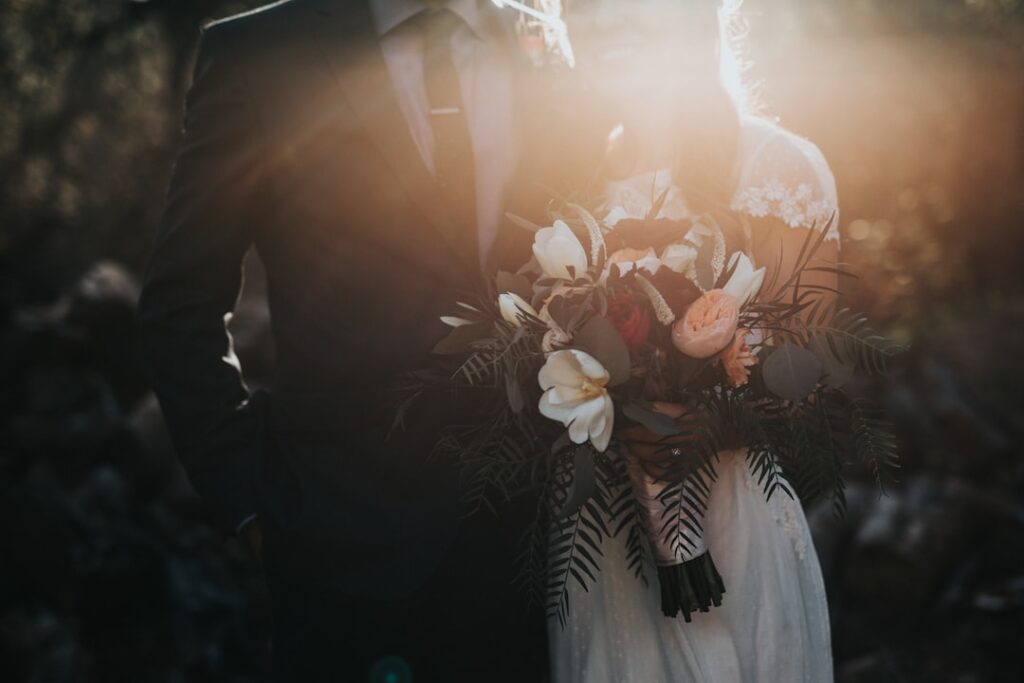
Organizing the Ideal Wedding Ceremony The location was the first thing that came to mind when I started organizing my wedding. I wanted to make sure the venue reflected our personalities and love story because it sets the tone for the entire event. After spending many hours researching and visiting different locations, I came to the conclusion that the ideal location should be both aesthetically beautiful and practical. I thought about things like amenities, accessibility, and capacity.
Key Takeaways
- Choose a venue that reflects your personalities and fits your vision for the wedding.
- Personalize your vows to make them meaningful and unique to your relationship.
- Find an officiant who understands your values and can create a personalized ceremony for you.
- Incorporate meaningful music and readings that reflect your relationship and values.
- Incorporate cultural and religious practices that are important to you and your families.
While some might have preferred a rustic barn or a lovely garden, I ultimately decided on a lakeside location that provided a sense of intimacy and natural beauty. I could already picture the ceremony taking place as soon as I entered the venue for the first time. A mystical atmosphere was created by the breathtaking backdrop of the setting sun, the soft rustle of leaves in the breeze, and the gentle lapping of the water against the shore. The logistics, such as guest parking, restrooms, and even nearby lodging for those coming from a distance, were also things I made sure to take into account.
I chose a location that not only satisfied our requirements but also offered a gorgeous backdrop for our special day after carefully considering these aspects. Writing my vows was one of the most important parts of organizing my wedding. I desired them to accurately convey my devotion to and feelings for my partner. I devoted numerous evenings to writing down ideas and memories that summed up our journey together.
It was crucial that I conveyed not only my love but also my aspirations for our future together. I found motivation in our common experiences, inside jokes, and even passages from our favorite films & books. I was able to deeply explore the meaning of our relationship through this process, which gave the vows a genuine and sincere feel. I started to feel emotional as I rewrote and revised my vows.
| Chapter | Metrics |
|---|---|
| 1 | Introduction to Wedding Ceremonies |
| 2 | Choosing the Perfect Venue |
| 3 | Creating Personalized Vows |
| 4 | Designing the Ceremony Program |
| 5 | Music Selection and Timing |
| 6 | Working with Officiants and Celebrants |
| 7 | Managing Wedding Rehearsals |
| 8 | Dealing with Last-Minute Changes |
It served as a lovely reminder of the original reason we were getting married. Also, I thought about including things that our guests would find meaningful—stories that would bring a smile or even a tear to their eyes. In the end, I sought to strike a balance between sincerity and humor so that my vows would engage our loved ones in addition to touching my partner’s heart. Creating a unique promise for myself turned into a treasured wedding experience that I will remember long after the ceremony. Another important part of my wedding preparations was selecting an officiant.
This individual would be crucial to our ceremony, helping us navigate one of the most significant life events. I was looking for someone who could relate to us and tell our love story in a sincere and emotional way. After weighing my options—friends, relatives, or professional officiants—I chose to work with a local officiant who specialized in custom events. Upon our first meeting, I immediately connected with her.
She spent time getting to know us as a couple and asked insightful questions that made us think about our bond. Her creation of a ceremony that accurately reflected us was aided by this discussion. I liked that she was willing to include unusual components like our customized vows and special readings. By choosing an officiant who resonated with us on a personal level, I felt confident that our ceremony would be meaningful and memorable. I’ve always loved music, so choosing the appropriate songs for our ceremony was crucial.
I intended for every composition to arouse feelings and elevate the ambiance. Every note had to speak to our love story from the time guests arrived until we exchanged vows. After giving it a lot of thought, I created a playlist that featured both modern songs that were meaningful to us as a couple and timeless love songs. I wanted to include readings that would deepen our ceremony in addition to music.
I read through a number of poems and passages that discussed partnership, love, and commitment. After careful deliberation, I selected a lovely passage from one of our favorite books that summed up our journey together. My goal was to create an experience that would be memorable for our guests and ourselves by incorporating these literary and musical elements into our ceremony.
It was crucial for me to include religious and cultural customs in our ceremony because I cherish tradition. Due to our disparate backgrounds, my partner and I took the time to talk about the aspects that meant the most to us individually. We made the decision to combine elements of the two cultures to create a special ceremony that respected our heritage while also showcasing our unique personalities. For example, as a sign of our dedication to one another, we incorporated a customary handfasting ceremony.
During vows, we were able to physically bind ourselves together with ribbons as part of this age-old custom, which is a lovely symbol of unity. We also invited loved ones to offer their guidance & support as we started this new chapter together, incorporating blessings from both families.
Planning a wedding ceremony requires careful consideration of timing.
I soon saw how important it was to design a smooth flow that would keep guests interested while enabling us to enjoy every second as I started to draft the schedule for our special day. Prior to estimating the duration of each section, I began by defining the essential components: recessional, vows, readings, and processional. Practical considerations like lighting and weather were also taken into account. We were holding an outdoor ceremony by the lake, so I wanted to make sure that everything was scheduled to take advantage of the golden hour, which is the enchanting moment right before sunset when everything is illuminated by warm light.
Through meticulously creating a schedule that took into consideration each of these elements, I was sure that our ceremony would go off without a hitch and that we could enjoy the moment to the fullest. As physical manifestations of love and dedication, symbolic gestures can give a wedding ceremony a deeper meaning. I was drawn to a number of options that had personal meaning as I considered what gestures would be meaningful to us as a couple. One suggestion was to include a ceremony for lighting unity candles, which is a lovely way to represent two people becoming one.
As a permanent representation of our relationship’s development and strength, we also thought about planting a tree during the ceremony. This gesture not only demonstrated our dedication, but it also gave us the opportunity to work together to create something lovely that would grow over time. I believed that by choosing symbolic actions that spoke to us personally, we could produce an experience that would be remembered by both our guests and ourselves for a long time. Even though I was excited to plan my wedding, I knew that I couldn’t ignore the legal requirements of marriage. I made it a point to find out what was required in our area because every state has different laws pertaining to marriage licenses.
This included being aware of waiting times, costs, & any supporting documentation we might have to submit. Also, I took the time to make sure our officiant was legally authorized to perform marriages in our state—a detail that could be easily forgotten in the rush of preparation! By remaining proactive and organized regarding these legal requirements, I felt confident that we would be able to tie the knot on the big day without any last-minute hiccups. To sum up, organizing my wedding ceremony was a fantastic experience full of thoughtful choices and unique details.
From choosing the ideal location to writing sincere vows and combining customs from both cultures, every detail helped to create a memorable event. When I think back on this process, I’m reminded of how crucial it is to remain loyal to oneself while negotiating the challenges of wedding preparation, which will ultimately result in a celebration that is exclusively ours.
When planning your dream wedding, one of the most important decisions you will make is choosing the right wedding vendors and suppliers. This can be a daunting task, but with the help of this article from All Things Wedding, you can learn valuable tips and advice on how to select the perfect team to bring your vision to life. For more wedding planning resources and inspiration, be sure to check out their blog and their comprehensive guide to planning your dream wedding here.
FAQs
What is a wedding ceremony?
A wedding ceremony is a formal or informal event that celebrates the union of two people in marriage. It often includes rituals, vows, and traditions that are significant to the couple and their families.
What are some common elements of a wedding ceremony?
Common elements of a wedding ceremony include the exchange of vows, the giving and receiving of rings, readings or speeches by family and friends, and the pronouncement of the couple as married by an officiant.
Who typically officiates a wedding ceremony?
A wedding ceremony is typically officiated by a religious leader, such as a priest, rabbi, or imam, or by a civil officiant, such as a judge or a licensed wedding officiant.
What are some popular wedding ceremony traditions?
Popular wedding ceremony traditions include the unity candle ceremony, the sand ceremony, the breaking of the glass (in Jewish weddings), and the exchange of garlands (in Indian weddings).
How long does a wedding ceremony usually last?
A wedding ceremony typically lasts between 20 to 30 minutes, although the length can vary depending on the couple’s preferences and the traditions they choose to include.
What should guests expect at a wedding ceremony?
Guests can expect to witness the exchange of vows, the declaration of marriage, and the celebration of the couple’s commitment to each other. They may also be asked to participate in certain rituals or traditions, depending on the couple’s cultural or religious background.
