
Ultimate Guide to Planning Your Dream Wedding Reception
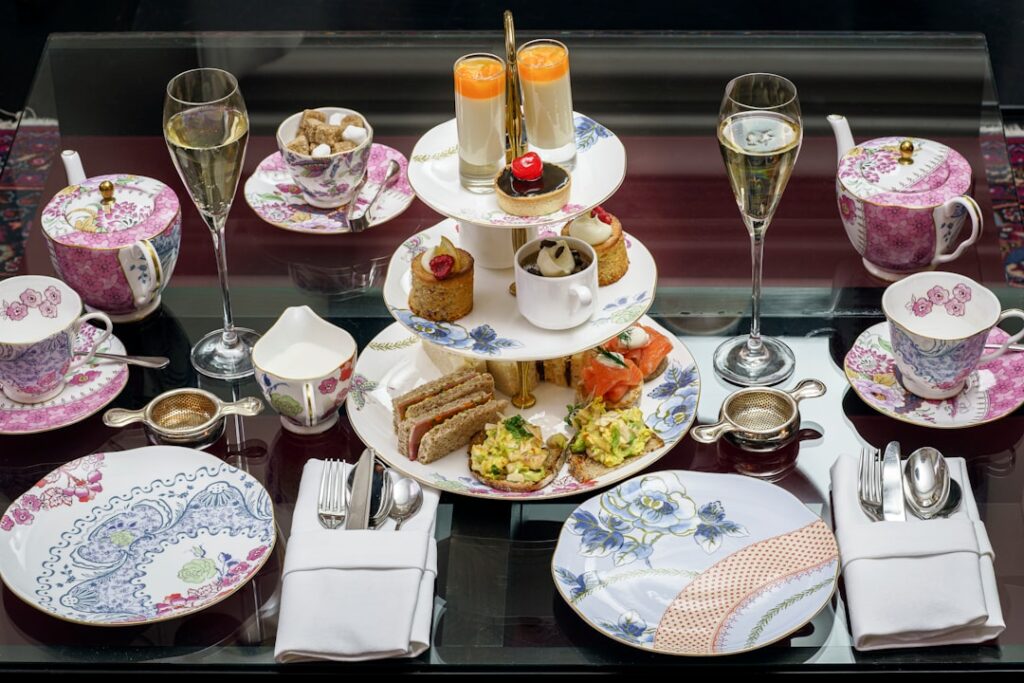
The Art of Event Planning: A Complete Guide Arranging an event can be thrilling and intimidating at the same time. The success of any event, be it a wedding, birthday party, or business get-together, frequently depends on careful planning. In this post, I’ll offer my advice on how to plan a memorable event by emphasizing important components like picking the ideal time and date, picking the ideal location, picking the ideal theme & décor, creating the best menu and bar, and more.
Key Takeaways
- Consider the availability and convenience of your guests when setting the date and time for your event
- Choose a venue that aligns with the theme and size of your event, and offers the necessary amenities
- Select decor and a theme that complements the purpose and mood of your event
- Create a menu and bar selection that caters to the preferences and dietary restrictions of your guests
- Craft entertainment and music that enhances the atmosphere and keeps guests engaged throughout the event
Attendance and the event’s general atmosphere may be greatly impacted by this choice. When selecting a date, I frequently take into account elements like local events, holidays, & even weather trends. For instance, springtime may be the best time of year to have an outdoor wedding because of the flowers in bloom and the pleasant weather, but I also need to be aware of the possibility of rain showers.
Also, timing is equally important in my opinion. The atmosphere of an afternoon event might differ from that of an evening get-together. Late afternoon or early evening are my preferred times for social gatherings because they give guests a chance to relax after a long day while still allowing for plenty of daylight for photos. I also consider my intended audience; for instance, if I’m organizing a business function, I might decide to host it on a weekday during business hours in order to get the most people possible. Dimensions Are Important. Choosing the ideal location comes next after I’ve decided on a time & date.
I carefully consider my vision when selecting a venue because it sets the tone for the entire event. I usually begin by thinking about how many people I’ll be hosting; a small venue might feel intimate for a small gathering, but a large hall or outdoor area might be needed for a larger celebration. The key is accessibility. Another crucial element is accessibility. I always make sure that my guests can easily get to the location, with plenty of parking or public transportation options close by.
| Metrics | Data |
|---|---|
| Number of Guests | 150 |
| Venue | Outdoor garden |
| Food | Buffet style |
| Entertainment | Live band |
| Decorations | Floral arrangements |
In addition, I take into account the venue’s amenities, which can significantly improve the experience. These include kitchen facilities, restrooms, and audio-visual equipment. Setting Up the Proper Ambience. In the end, I want to locate a location that fits the theme and atmosphere of the event in addition to satisfying practical requirements.
Now that the location is set, I focus on choosing the theme & décor. I can really express my creativity here and create the mood for the occasion. I usually begin by coming up with concepts that align with the event’s goal.
For example, I might favor romantic themes with delicate hues and exquisite floral arrangements if it’s a wedding. On the other hand, I might go for a more contemporary style with clean lines and striking colors for a business function. Details like centerpieces, lighting, & table settings are also very important to me. A space can be elevated from ordinary to extraordinary with these components.
While colorful tablecloths can provide a splash of color during daytime events, string lights, for instance, can create a cozy atmosphere for an evening gathering. Personal touches, like pictures or mementos, can, in my opinion, add intimacy and significance to the décor. Without delectable food and beverages, an event cannot be considered complete. Since it enables me to accommodate a wide range of tastes and preferences, creating the ideal menu is one of my favorite aspects of planning. I usually start by taking dietary restrictions into account; providing vegetarian, vegan, and gluten-free options guarantees that every visitor feels welcome.
I usually choose a selection of drinks that go well with the food. In addition to adding a distinctive touch to the event, a signature cocktail can spark conversation among attendees. I also make sure to offer non-alcoholic options to people who would rather have them. Finding a balance between quality & variety is crucial if I want my guests to be happy and rave about the food. In order to maintain attendees’ interest throughout the event, entertainment is essential. To create an enjoyable atmosphere, I may hire DJs, live musicians, or even performers, depending on the event.
I usually choose to play a variety of romantic ballads during dinner at weddings, followed by lively dance music later in the evening. I also take into account interactive entertainment options like games that invite guests to participate or photo booths. These exercises not only help people connect, but they also help them make memories that last. An event can go from being good to being unforgettable, in my opinion, with a carefully considered entertainment strategy.
Incorporating memorable games and activities can improve guest enjoyment and interaction in addition to providing entertainment. I frequently come up with concepts that complement the event’s theme and are age-appropriate. For example, to promote healthy competition at a family-friendly event, I might set up lawn games like giant Jenga or cornhole. For more formal gatherings, I might think about icebreaker exercises that encourage social interaction and improve attendees’ understanding of one another.
Team-building activities and trivia contests can promote friendship among participants while incorporating a playful element. Creating an atmosphere where visitors feel at ease interacting with one another is my ultimate objective. A carefully thought-out schedule is necessary to make sure everything goes without a hitch on the big day. Every aspect of the event, from guest arrival to speeches and entertainment transitions, is typically outlined in a comprehensive schedule I make.
I also share this schedule with important parties like speakers, entertainers, and vendors to make sure everyone is aware of it. Flexibility is key; unforeseen delays do happen occasionally, but having a plan enables me to make adjustments without upsetting or confusing guests. Lastly, making sure that everyone has a good time requires careful management of the guest list & seating arrangements. In order to accurately estimate attendance, I usually begin by creating a thorough list of invitees & monitoring Responses.
I can make better decisions about seating arrangements and catering quantities thanks to this. In order to promote pleasant interactions, I take into account the relationships between guests when making seating arrangements. Putting friends together or combining people from different social circles can spark conversation & make the place lively. In order to make it easy for guests to find their seats, I also frequently provide place cards or clear signage.
In conclusion, every aspect of event planning needs to be carefully thought out, from selecting the ideal date to handling guest lists. I can create an experience that attendees will remember long after the event is over by concentrating on each component with creativity and intention. Whether it’s through well-considered décor or captivating activities, my aim is always to make an impression on all those involved.
When planning a wedding reception, it is crucial to choose the right wedding vendors and suppliers to ensure everything runs smoothly on your big day. This article provides helpful tips on how to select the best professionals to meet your needs and budget. Additionally, following a comprehensive wedding planning checklist, like the one outlined in this guide, can help you stay organized and on track throughout the planning process. And if you’re looking to promote your wedding venue to attract more clients, this beginner’s guide offers valuable insights on how to effectively market your space to engaged couples.
FAQs
What is a wedding reception?
A wedding reception is a party held after the completion of a marriage ceremony. It is a time for the newlywed couple to celebrate their union with family and friends.
What typically happens at a wedding reception?
At a wedding reception, guests can expect to enjoy a meal, drinks, and entertainment. There may also be speeches, toasts, and dancing.
Where is a wedding reception usually held?
Wedding receptions are often held at a banquet hall, hotel, or event space. However, they can also take place in a backyard, on a beach, or at a private residence.
Who pays for the wedding reception?
Traditionally, the bride’s family pays for the wedding reception. However, modern couples often share the cost with both families contributing.
How long does a wedding reception typically last?
A wedding reception can last anywhere from 3 to 5 hours, depending on the schedule of events and the preferences of the couple.
What is the order of events at a wedding reception?
The order of events at a wedding reception can vary, but typically includes the grand entrance of the newlyweds, dinner service, toasts, cake cutting, first dance, and open dancing.
What should guests wear to a wedding reception?
Guests should dress according to the dress code specified on the wedding invitation. This could range from formal attire to casual dress, depending on the couple’s preferences.
