
Forever and Always: The Marriage Vow
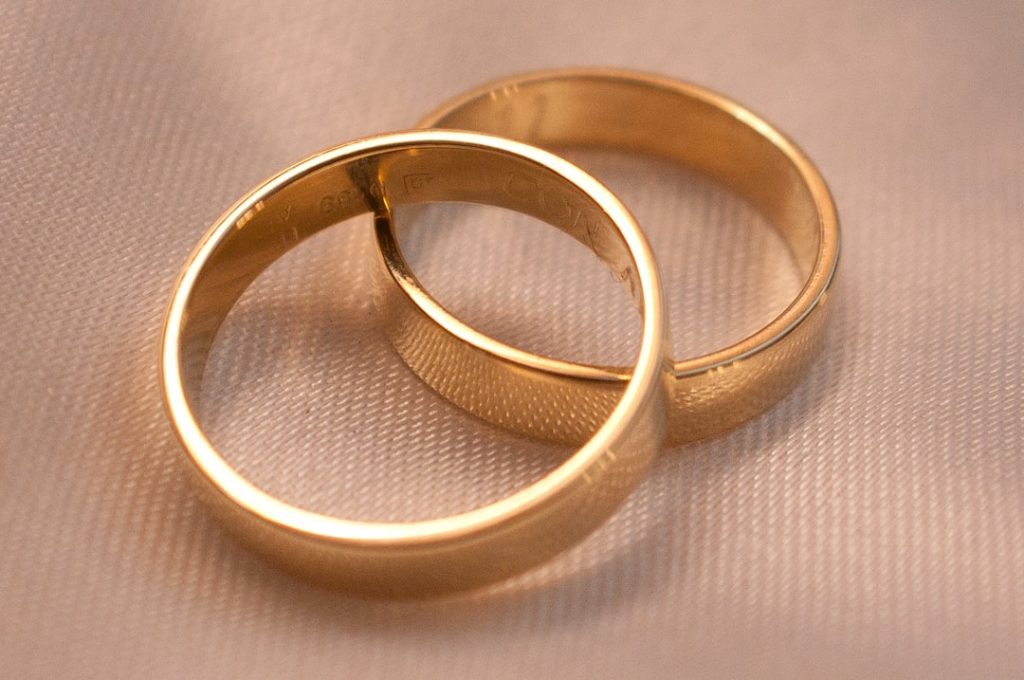
The marriage vow, a sacred promise exchanged between partners, has its roots deeply embedded in history and tradition. I often find myself reflecting on how this commitment transcends mere words, embodying the essence of love, fidelity, and partnership. Historically, marriage vows can be traced back to ancient civilizations, where they were often seen as a binding contract not just between individuals but also between families and communities.
In many cultures, these vows were accompanied by rituals and ceremonies that underscored their significance, marking the union as a pivotal moment in the lives of those involved. The meaning of the marriage vow has evolved over time, yet its core remains unchanged. At its heart, the vow signifies a promise to love and support one another through life’s myriad challenges and joys.
It is a declaration of intent, a commitment to stand by each other in sickness and health, in prosperity and adversity. I believe that this profound promise serves as a foundation for building a life together, fostering an environment where both partners can thrive emotionally and spiritually. The weight of these words is immense; they encapsulate hopes, dreams, and the shared journey that lies ahead.
Key Takeaways
- The marriage vow has its origins in ancient religious and cultural traditions, symbolizing a commitment to love, honor, and cherish one’s partner.
- In modern society, the marriage vow serves as a foundation for a strong and lasting relationship, providing a sense of security and stability for couples.
- The marriage vow has evolved over time to reflect changing societal norms and values, with couples customizing their vows to suit their unique relationship.
- Different cultures and traditions have their own variations of the marriage vow, each emphasizing the importance of commitment and fidelity in marriage.
- Honoring and upholding the marriage vow in a relationship involves open communication, mutual respect, and a willingness to work through challenges together.
The Importance of the Marriage Vow in Modern Society
The Guiding Principle of Modern Relationships
I often observe how many couples view their vows as a guiding principle that helps them navigate the complexities of modern relationships. In an era where divorce rates are high and relationships can be fleeting, the marriage vow stands as a beacon of stability and reassurance.
A Conscious Choice of Love and Commitment
It reminds us that love is not merely a feeling but a conscious choice that requires effort and dedication. Moreover, the marriage vow serves as a public declaration of love and commitment, reinforcing the bond between partners in the eyes of family and friends. I find that this public acknowledgment can strengthen the relationship, as it creates a sense of accountability.
Fostering Open Communication and Mutual Respect
When I think about my own relationships, I realize that having a shared understanding of our vows encourages open communication and mutual respect. It fosters an environment where both partners feel valued and supported, ultimately enhancing the quality of the relationship.
The Evolution of the Marriage Vow Over Time
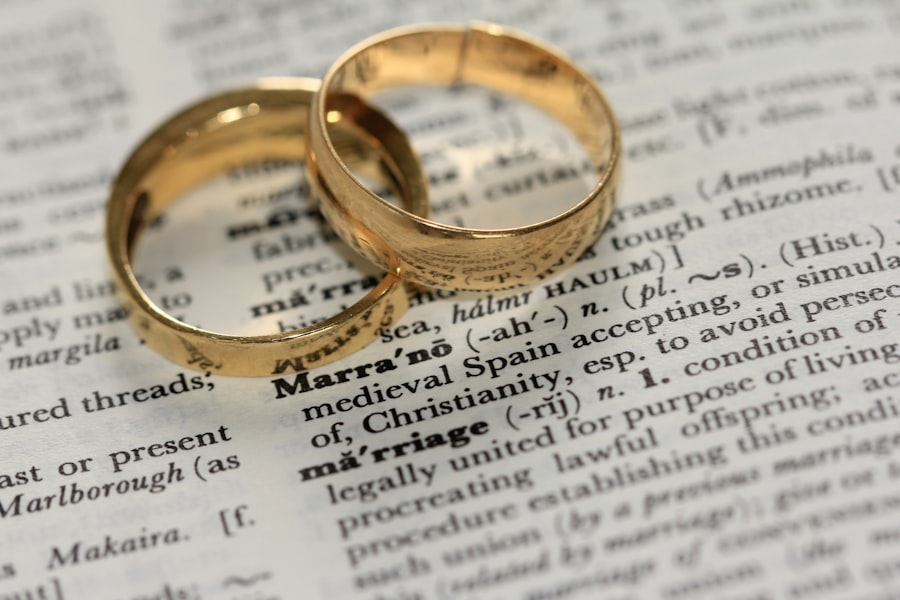
As society has progressed, so too has the concept of the marriage vow. I often reflect on how traditional vows have adapted to reflect contemporary values and beliefs.
However, as individualism has gained prominence, many couples now choose to craft their own vows, infusing them with personal meaning and relevance to their unique relationship. This evolution is not merely about language; it also reflects changing attitudes toward love and partnership. I have noticed that modern vows often emphasize equality, partnership, and mutual support rather than traditional roles.
This shift signifies a broader understanding of what it means to be committed to one another in today’s world. By embracing this evolution, couples can create vows that resonate with their values and aspirations, making their commitment feel more authentic and meaningful.
The Role of the Marriage Vow in Different Cultures and Traditions
| Culture/Tradition | Marriage Vow | Significance |
|---|---|---|
| Western | To have and to hold, from this day forward, for better, for worse, for richer, for poorer, in sickness and in health, to love and to cherish, till death do us part. | Emphasizes commitment and unconditional love |
| Hindu | With the first step, we will provide for and support each other. With the second step, we will develop mental, physical, and spiritual strength. With the third step, we will share the worldly possessions. With the fourth step, we will acquire knowledge, happiness, and peace. With the fifth step, we will raise strong and virtuous children. With the sixth step, we will enjoy the fruits of all seasons. With the seventh step, we will always remain friends and cherish each other. | Emphasizes mutual support and shared responsibilities |
| Japanese | With this ring, I thee wed. | Symbolizes the exchange of rings as a sign of commitment |
The marriage vow is not a monolithic concept; it varies significantly across cultures and traditions. I find it fascinating to explore how different societies interpret this sacred promise. In some cultures, marriage vows are steeped in religious significance, often invoking divine blessings on the union.
For instance, in many Christian traditions, couples exchange vows in a church setting, emphasizing the spiritual dimension of their commitment. In contrast, other cultures may incorporate ancestral customs or rituals that highlight familial ties and community support. Additionally, I have come to appreciate how cultural variations can enrich the understanding of marriage vows.
In some Indigenous cultures, for example, vows may include promises to honor the land and community alongside commitments to one another. This broader perspective on marriage emphasizes interconnectedness rather than individualism. By recognizing these diverse interpretations, I believe we can gain a deeper appreciation for the universal themes of love and commitment that bind us all together.
How to Honor and Uphold the Marriage Vow in Your Relationship
Honoring and upholding the marriage vow requires intentionality and effort from both partners. I have learned that it is essential to regularly communicate about our commitments and expectations within the relationship. Open dialogue fosters understanding and allows us to address any challenges that may arise.
Moreover, I believe that demonstrating love through small gestures can significantly reinforce our commitment to one another. Simple acts of kindness—like leaving a heartfelt note or planning a surprise date night—can serve as reminders of our promises.
It’s these everyday actions that breathe life into our vows and keep the flame of love alive. By prioritizing our relationship and making conscious choices to nurture it, we can create a lasting bond that honors our marriage vows.
The Impact of the Marriage Vow on Commitment and Trust

Building Trust and Openness
This trust is the foundation upon which our relationship is built. It allows us to be open with each other about our deepest fears, dreams, and insecurities without fear of judgment or rejection. By honoring our marriage vows, we foster a sense of security that strengthens our bond over time.
Overcoming Challenges Together
Knowing that we have made a lifelong commitment to each other encourages us to work through challenges together, rather than shying away from them. This shared commitment cultivates resilience within our relationship, allowing us to face obstacles with confidence.
A Lifelong Partnership
Ultimately, the marriage vow serves as a powerful reminder that we are not alone in our journey; we have each other’s backs through thick and thin. It is a promise that we will stand together, supporting and loving each other, no matter what life may bring.
Renewing and Reinventing the Marriage Vow for a Lasting Relationship
As time passes, relationships naturally evolve, necessitating periodic renewal of our marriage vows. I find that taking time to reflect on our promises can reinvigorate our connection and deepen our understanding of one another. Whether through formal ceremonies or intimate conversations at home, renewing our vows allows us to acknowledge how far we’ve come while reaffirming our commitment to one another.
Reinventing our marriage vows can also be an opportunity for growth. As we navigate life’s changes—such as career shifts, parenthood, or personal development—our needs may evolve as well. By revisiting our vows together, we can adapt them to reflect our current realities and aspirations for the future.
This process not only strengthens our bond but also reinforces our dedication to nurturing a relationship that continues to flourish over time.
The Future of the Marriage Vow in Changing Times
As society continues to change rapidly, I often ponder what the future holds for the marriage vow. With shifting cultural norms around relationships and family structures, it is likely that we will see further evolution in how couples approach their commitments. I believe that flexibility will become increasingly important; couples may seek to create personalized vows that resonate with their unique experiences rather than adhering strictly to traditional formats.
Moreover, as conversations around inclusivity gain momentum, I anticipate that diverse expressions of love will shape the future landscape of marriage vows. This could lead to more inclusive language that reflects various identities and experiences within partnerships. Ultimately, I am hopeful that as we move forward, the essence of the marriage vow—love, commitment, and partnership—will remain steadfast while adapting to meet the needs of future generations.
In conclusion, the marriage vow is a profound promise that carries immense significance across cultures and time periods. As I reflect on its origins, importance in modern society, evolution over time, cultural variations, ways to honor it in relationships, impact on trust and commitment, opportunities for renewal, and its future trajectory, I am reminded of its enduring power. The marriage vow is not just a set of words; it is a living testament to love’s potential to inspire growth, resilience, and connection in an ever-changing world.
When couples exchange marriage vows, they are making a solemn promise to each other to love and cherish one another for the rest of their lives. This commitment is a crucial aspect of any wedding ceremony, as highlighted in the article The Perfect Wedding Ceremony: A Guide to Saying I Do. This article provides valuable insights and tips on how to create a meaningful and memorable wedding ceremony that truly reflects the love and commitment shared between the couple. It emphasizes the importance of personalizing the vows to make them more meaningful and special for the couple.
FAQs
What is a marriage vow?
A marriage vow is a promise or commitment made by a couple to each other during a wedding ceremony. It typically includes promises to love, honor, and cherish each other, as well as to remain faithful and supportive.
What is the purpose of marriage vows?
Marriage vows serve as a public declaration of the couple’s commitment to each other and their intention to build a life together. They also provide a framework for the expectations and responsibilities within the marriage.
Are marriage vows legally binding?
In most jurisdictions, marriage vows are not legally binding in and of themselves. However, they are often included as part of the legal marriage ceremony and are considered a solemn and meaningful commitment.
Can marriage vows be personalized?
Yes, many couples choose to personalize their marriage vows to reflect their unique relationship and values. This can involve writing their own vows or incorporating cultural or religious traditions into the ceremony.
What happens if one partner breaks their marriage vows?
If one partner breaks their marriage vows, it can lead to strain and potential dissolution of the marriage. In some cases, breaking marriage vows can also have legal implications in divorce proceedings, particularly if infidelity or breach of financial commitments are involved.
