
Creating the Perfect Wedding Invitations: A Guide for Brides-to-Be
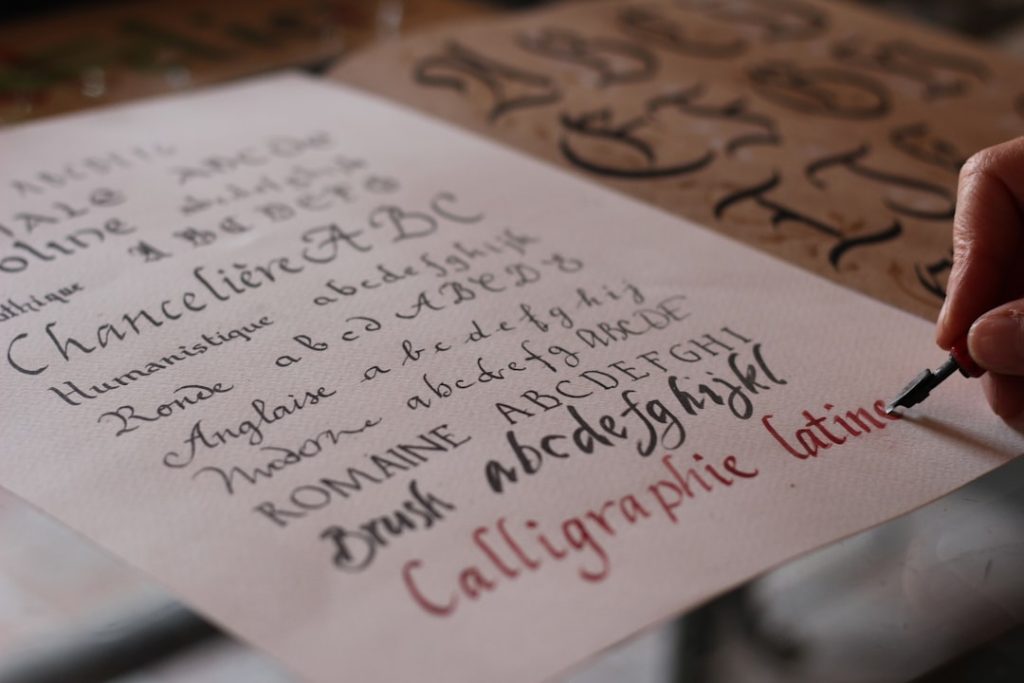
When we embark on the journey of creating invitations, the design is often the first aspect that captures our attention. The design sets the tone for the entire event, whether it’s a wedding, a birthday party, or a corporate gathering.
For instance, a whimsical design might be perfect for a child’s birthday party, while a more elegant and sophisticated layout would suit a formal wedding. By brainstorming ideas and gathering inspiration from various sources, such as Pinterest or design blogs, we can begin to visualize what we want our invitations to convey. Moreover, we should also think about the layout and structure of our design.
This includes the arrangement of text, images, and other elements on the invitation. A well-balanced design not only looks appealing but also ensures that the information is easy to read and understand.
Ultimately, choosing the right design is about creating an invitation that reflects our personality and the essence of the event we are hosting.
Key Takeaways
- Choose a design that reflects the theme and purpose of your project
- Select paper that complements the design and suits the intended use of the material
- Decide on a color scheme that is visually appealing and aligns with the overall aesthetic
- Add personal touches to make the material unique and memorable
- Include essential information that is clear, concise, and relevant to the purpose of the material
Selecting the Perfect Paper
Once we have settled on a design, the next step is to select the perfect paper for our invitations. The choice of paper can significantly impact the overall look and feel of our invitations. We have a plethora of options available, ranging from textured cardstock to smooth finishes.
Each type of paper offers a unique tactile experience that can enhance the recipient’s impression of our event. For instance, if we want to convey a sense of luxury and elegance, we might opt for a heavier cardstock with a glossy finish. On the other hand, if we prefer a more rustic or vintage vibe, we could choose recycled paper or kraft paper.
In addition to texture and weight, we should also consider the color and opacity of the paper. A bright white paper can make colors pop and ensure that our text is legible, while a cream or off-white paper can add warmth and sophistication. We might also want to think about how our chosen paper will interact with our design elements.
For example, if our design features vibrant colors or intricate details, we need to ensure that the paper we select will complement these aspects rather than detract from them. By carefully considering our paper choices, we can elevate our invitations to a new level of artistry.
Deciding on the Right Color Scheme
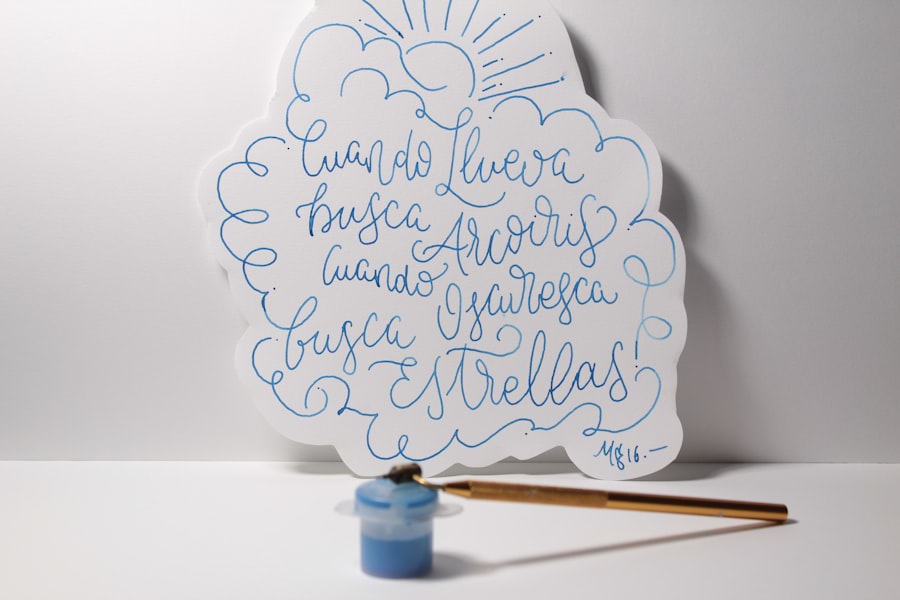
The color scheme we choose for our invitations plays a crucial role in setting the mood for our event. Colors evoke emotions and can influence how our guests perceive the occasion. As we deliberate on our color palette, we should think about the theme of our event and the feelings we want to evoke in our guests.
For instance, soft pastels may create a romantic atmosphere for a wedding, while bold and vibrant colors might be more suitable for a lively birthday celebration. We can also draw inspiration from seasonal colors or even nature itself. If we are planning an outdoor event in the fall, warm hues like oranges, reds, and browns could reflect the beauty of the season.
Alternatively, if our event is in spring, we might lean towards fresh greens and floral tones. It’s essential to strike a balance between colors that complement each other while also ensuring that they align with our overall vision. By thoughtfully selecting our color scheme, we can create invitations that not only look beautiful but also resonate with the essence of our event.
Adding Personal Touches
| Personal Touch | Impact |
|---|---|
| Handwritten Thank You Notes | Increased customer satisfaction |
| Personalized Product Recommendations | Higher conversion rates |
| Customized Birthday Greetings | Improved customer loyalty |
Incorporating personal touches into our invitations can make them feel unique and special. These details can reflect our personalities or highlight significant aspects of our relationship with the guests. For example, we might include a custom illustration that represents something meaningful to us or use a favorite quote that resonates with the theme of our event.
By adding these personal elements, we create an invitation that tells a story and invites guests into our world. Additionally, we can consider including photographs or mementos that hold sentimental value. A picture from a memorable moment shared with friends or family can evoke nostalgia and excitement for the upcoming event.
We might also think about using unique materials or embellishments, such as ribbons or wax seals, to further enhance the personal touch of our invitations. Ultimately, these thoughtful additions can transform an ordinary invitation into a cherished keepsake for our guests.
Including Essential Information
While aesthetics are important, we must not overlook the necessity of including essential information in our invitations. Clear communication is key to ensuring that our guests have all the details they need to attend our event without confusion. We should start by including the who, what, when, where, and why of our gathering.
This means clearly stating the names of the hosts and honorees, providing details about the event itself, specifying the date and time, and including the venue address. In addition to these basics, we may also want to include RSVP information so that we can gauge attendance ahead of time. This could be as simple as providing an email address or phone number for guests to respond to.
If there are any special instructions—such as dress codes or gift registries—we should make sure these are clearly communicated as well. By ensuring that all essential information is included in our invitations, we help set expectations for our guests and pave the way for a successful event.
Choosing the Right Fonts
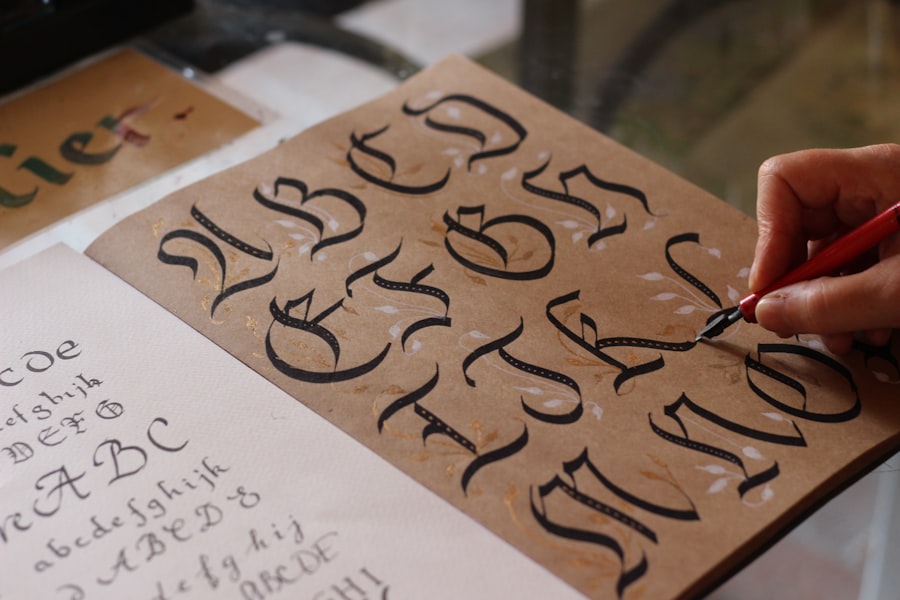
The choice of fonts is another critical aspect of invitation design that can greatly influence its overall aesthetic. Fonts convey personality and tone; therefore, selecting the right typeface is essential in aligning with our event’s theme. For formal occasions like weddings or corporate events, elegant serif fonts may be appropriate to convey sophistication and class.
Conversely, for casual gatherings or children’s parties, playful sans-serif fonts can add a fun and lighthearted touch. As we explore font options, it’s important to consider readability as well. While decorative fonts may look beautiful, they can sometimes be challenging to read at smaller sizes or from a distance.
We should aim for a balance between style and legibility by pairing decorative fonts with simpler ones for clarity in important details like names and dates. Additionally, limiting ourselves to two or three complementary fonts can help maintain visual harmony throughout our invitation design.
Selecting the Right Printing Method
Once we have finalized our design elements—including paper choice, color scheme, and fonts—it’s time to consider how we will print our invitations. The printing method we choose can significantly affect both quality and cost. Traditional offset printing offers high-quality results and is ideal for larger quantities; however, it may not be cost-effective for smaller runs.
Digital printing is another option that allows for quick turnaround times and is often more affordable for smaller batches. We should also explore specialty printing techniques such as letterpress or foil stamping if we want to add an extra layer of elegance to our invitations. These methods create tactile impressions or shiny accents that can elevate the overall look of our designs.
As we weigh our options, it’s essential to consider factors such as budget constraints and desired outcomes so that we select a printing method that aligns with both our vision and resources.
Ensuring Timely Delivery
Finally, after all the hard work we’ve put into designing and preparing our invitations, ensuring timely delivery is crucial for a successful event. We need to account for production time when placing orders with printing companies; this includes not only printing but also any additional finishing touches like cutting or assembling invitations. It’s wise to build in extra time for unforeseen delays so that we aren’t left scrambling at the last minute.
Once printed, we should also consider how we will distribute our invitations—whether through mailing them directly or handing them out in person. If mailing is involved, it’s important to factor in postal times as well as any potential delays due to holidays or busy seasons. By planning ahead and allowing ample time for each step in the process—from design to delivery—we can ensure that our invitations arrive on schedule and set the stage for an unforgettable event.
In conclusion, creating invitations involves careful consideration of various elements—from design choices to personal touches—that come together to form a cohesive whole. By thoughtfully navigating each step in this process, we can craft invitations that not only inform but also inspire excitement among our guests as they anticipate joining us for a memorable occasion.
When planning your dream wedding reception, one important aspect to consider is sending out the perfect wedding invitations. These invitations set the tone for your special day and give guests a glimpse of what to expect. For tips on how to create the ultimate wedding invitations, check out this article on essential wedding planning tips. It covers everything from choosing the right design to wording etiquette, ensuring that your invitations are both beautiful and informative.
FAQs
What information should be included in a wedding invitation?
A wedding invitation should include the names of the bride and groom, the date and time of the wedding, the location of the ceremony and reception, and RSVP information.
When should wedding invitations be sent out?
Wedding invitations should be sent out 6-8 weeks before the wedding date to give guests enough time to RSVP and make travel arrangements if necessary.
What are some popular styles of wedding invitations?
Popular styles of wedding invitations include traditional formal invitations, modern minimalist designs, rustic and vintage-inspired invitations, and destination wedding themed invitations.
What is the proper way to address wedding invitations?
Wedding invitations should be addressed formally, using titles and full names. For example, “Mr. and Mrs. John Smith” or “Dr. and Mrs. Jane Doe.”
Can wedding invitations be sent electronically?
While traditional paper invitations are still the most common choice, many couples opt to send electronic invitations via email or through wedding websites for convenience and cost savings.
What should be included in a destination wedding invitation?
In addition to the standard wedding invitation information, destination wedding invitations should include details about travel and accommodations, as well as any pre or post-wedding events planned for guests.
